
Water Damage · San Diego County
Water Damage Restoration in San Diego County
Fast extraction, drying and rebuild after leaks, storms and floods.
- Licensed & insured
- Free estimates
- Fixed, line-item quotes
- Financing available
Tell us about the damage
Free, no obligationSend us what happened and where the water is showing, and we will get out fast. If water is still coming in, call us right away rather than waiting on a form.
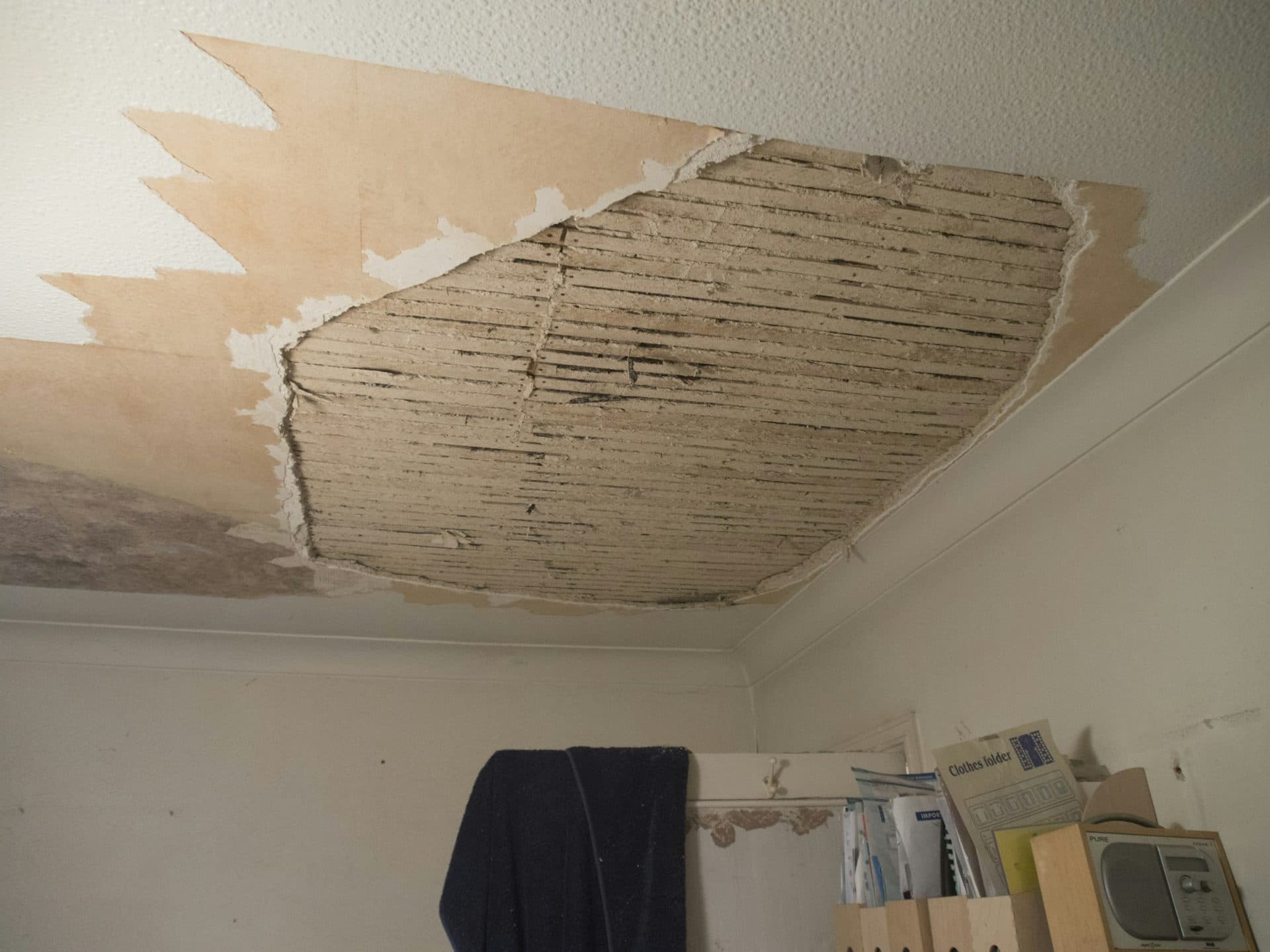
A ceiling stain, a warm spot on the drywall, or water pooling after a storm is the kind of problem that gets worse by the hour. The first 24 to 48 hours decide whether you are drying out a room or tearing out mold weeks later. We respond fast, find the source (often the roof), stop the water, and dry the structure before the damage spreads.
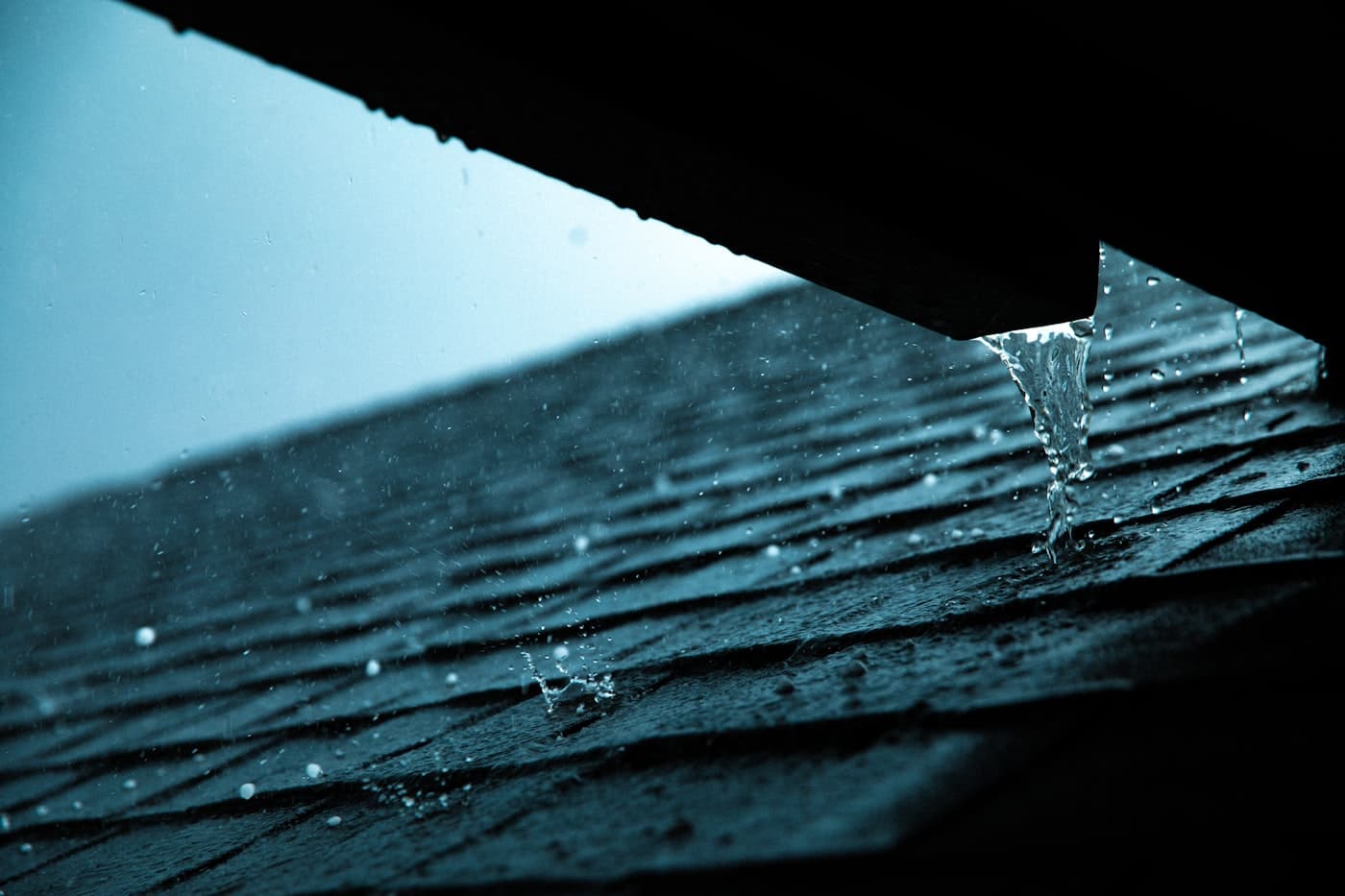
Because we are a roofing contractor as well as a restoration company, we fix the cause, not just the symptom. Most interior water damage in San Diego starts at a failed roof, flashing or window detail. We restore the inside and correct the point of entry on the outside, so you are not repainting the same ceiling next winter.
We document everything for your insurance claim: moisture readings, photos, and a written scope. Water damage is one of the most commonly covered homeowner claims when it is sudden and accidental, and clear evidence is what gets those claims approved.
What is included
6 included- Fast emergency response and water extraction
- Structural drying with moisture monitoring
- Mold prevention and remediation
- Ceiling, drywall and flooring repair
- Correction of the roof or flashing that caused the leak
- Full documentation for your insurance claim
Pricing · no contact-us wall
What water damage restoration costs in San Diego
How we price water damage restoration in San Diego. Emergency mitigation is priced first; the rebuild is scoped once the structure is dry. Your number comes from the factors below.
What determines your price
- How far the water traveled and how many rooms are affected
- Water category (clean, gray or contaminated)
- How long the water sat before mitigation started
- Whether mold has already begun to grow
- Materials affected (drywall, flooring, cabinetry, insulation)
- The underlying source repair (roof, flashing, plumbing, window)
Send us what happened and where the water is showing, and we will get out fast. If water is still coming in, call us right away rather than waiting on a form.
Report my water damageWe assess the damage on site, take moisture readings and photos, and price the emergency mitigation first, then scope the rebuild once the structure is dry.
Book a free estimateHow it works
A straight path from call to warranty
- 01
Rapid response
We get out fast, find the source, and stop active water intrusion before it spreads further.
- 02
Extraction and drying
We extract standing water and set drying equipment, monitoring moisture until the structure is genuinely dry.
- 03
Mold prevention
We treat affected areas to stop mold before it starts, and remediate any that has already formed.
- 04
Source repair
As a roofing contractor we correct the roof, flashing or window that let the water in.
- 05
Rebuild and documentation
We repair ceilings, walls and finishes and hand you full documentation for your insurance claim.
Water Damage: common questions
The questions San Diego homeowners ask most before starting a water damage project.
Free estimate
Talk through your water damage project
Get a free, no-pressure inspection with photos and a written scope. You decide on the evidence, not a sales pitch.
Contain it and call fast. Put a bucket under active drips, move furniture and valuables clear, and if water is pooling near light fixtures, shut off power to that area at the breaker. Do not paint over a stain, that only hides a spreading problem. The sooner we extract water and start drying, the less you lose, because mold can begin within 24 to 48 hours.
Water damage restoration is the process of returning a home to a safe, dry, pre-loss condition after a leak, storm or flood. It covers emergency water extraction, structural drying with moisture monitoring, mold prevention, and repair of the damaged ceilings, walls and flooring. Done properly it also corrects the source, which for most San Diego homes is a roof or flashing failure.
Homeowners insurance usually covers water damage that is sudden and accidental, such as a storm-driven roof leak or a burst pipe, but not damage from long-term neglect or lack of maintenance. Flood from outside the home is a separate policy. We document the source, take moisture readings and photos, and provide a written scope so you can file a well-supported claim.
The cost of water damage restoration depends on how far the water spread, how long it sat, whether the water was clean or contaminated, and whether mold has started. A contained single-room dry-out is a far smaller job than multi-room or contaminated-water damage. We price the emergency mitigation first, then scope the rebuild once the structure is dry, so your number reflects the actual loss rather than a guess.
Fast response is the whole game with water damage, because the difference between a dry-out and a mold tear-out is often just a day or two. We prioritize active water intrusion and get a crew out quickly to stop the source and begin extraction. Call us as soon as you find the problem rather than waiting to see if it dries on its own.
Mold needs moisture, so the prevention is thorough drying, not just surface wiping. We extract standing water, set air movers and dehumidifiers, and monitor moisture levels in the drywall and framing until they return to normal, then treat affected areas. If mold has already formed we remediate it and remove unsalvageable material rather than sealing it in.
Almost always, yes. A brown or yellow ring on the ceiling is dried mineral residue from water that came through and evaporated, and the ring shape marks the edge of each wetting. It usually points to a roof or flashing leak above. Even if it looks dry now, the source is still there and will reopen in the next rain, so it is worth inspecting.
Drying typically takes three to five days with monitoring, and the rebuild adds time depending on how much material was removed. A contained single-room project can be done in about a week; larger or mold-affected jobs take longer. We do not rush the drying phase, because closing up walls before the framing is dry is what causes mold and repeat damage.
Explore our other services
Found a stain, a leak, or storm damage?
Get a free, no-pressure inspection with photos and a written scope. You decide on evidence, not a sales pitch.